
Heat Pump Lifespan in Ottawa Climate
Energy-Efficient Heating & Cooling for Every Season
How Long Do Heat Pumps Last in Ottawa & What Affects Their Longevity?
If you're considering a heat pump for your Ottawa home, one of the most common questions is simple: How long will a heat pump last in Ottawa's climate?
The answer depends on several factors, including equipment quality, installation standards, maintenance habits, usage patterns, and how well the system is matched to Ottawa's unique weather conditions. Modern cold-climate heat pumps are engineered to handle Canadian winters while delivering efficient heating and cooling throughout the year.
When properly installed and maintained, most homeowners can expect a heat pump lifespan of approximately 15 to 20 years, with some systems lasting even longer. Understanding what affects its longevity can help you maximize your investment, reduce repair costs, and maintain reliable comfort for years to come.
Quick Answer: How Long Does a Heat Pump Last in Ottawa?
Most modern cold-climate heat pumps installed in Ottawa homes typically last:
| System Type | Average Lifespan |
|---|---|
| Ductless Mini-Split Heat Pump | 15–20 years |
| Ducted Heat Pump | 15–20 years |
| Cold-Climate Heat Pump | 15–20+ years |
| Hybrid Heat Pump System | 15–20 years for the heat pump component |
Actual lifespan varies depending on maintenance, installation quality, operating conditions, and equipment design. Reliable Home Environment notes that properly maintained heat pumps often provide reliable performance for 15–20 years or longer.
Why Ottawa's Climate Matters
Ottawa experiences some of the most demanding weather conditions in Canada.
Your HVAC equipment must handle:
- Summer temperatures above 30°C
- Winter temperatures that can drop below -25°C
- High humidity during summer
- Snow, ice, and freezing rain
- Large seasonal temperature swings
These conditions place significant stress on heating and cooling equipment throughout the year. Unlike traditional furnaces that only operate during winter, heat pumps often work year-round, providing both heating and cooling. This increased usage means system durability and regular maintenance become even more important.
Fortunately, today's cold-climate heat pumps are specifically engineered to perform efficiently during Ottawa winters. Many models can continue operating effectively in temperatures as low as -25°C when properly selected and installed.
What Determines Heat Pump Lifespan?
Several factors influence how long your heat pump will last.
Installation Quality
Installation is one of the most important factors affecting long-term performance.
Even a premium heat pump can experience premature wear if it is:
- Improperly sized
- Incorrectly charged with refrigerant
- Poorly configured
- Installed with inadequate airflow
- Connected to improperly designed ductwork
Reliable Home Environment emphasizes that professional sizing and installation are essential for achieving optimal efficiency, performance, and lifespan.
A properly installed system experiences less strain on major components, resulting in fewer breakdowns and longer service life.
Equipment Quality
Not all heat pumps are built to the same standards.
Higher-quality systems often feature:
- Variable-speed compressors
- Advanced inverter technology
- Better cold-weather performance
- More durable components
- Enhanced corrosion protection
- Longer manufacturer warranties
While premium equipment may cost more initially, it often delivers greater reliability and longevity over the life of the system.
Ottawa Winter Performance
Cold weather places additional demands on HVAC equipment.
During winter, your heat pump must:
- Extract heat from cold outdoor air
- Defrost outdoor coils
- Maintain consistent indoor temperatures
- Operate efficiently despite temperature fluctuations
Systems designed specifically for Canadian winters generally experience less stress and better long-term reliability than standard heat pumps not intended for cold climates.
Choosing a cold-climate heat pump designed for Ottawa conditions can significantly improve lifespan and performance.
Maintenance Practices
Routine maintenance is one of the easiest ways to extend heat pump life.
Regular maintenance helps:
- Improve efficiency
- Reduce wear and tear
- Identify small issues before they become major repairs
- Maintain airflow
- Protect compressor health
- Preserve warranty coverage
Natural Resources Canada recommends regular maintenance, including filter cleaning, annual inspections, and ensuring airflow remains unobstructed.
Reliable Home Environment also recommends:
- Filter replacement
- Coil cleaning
- Refrigerant inspections
- Electrical testing
- Thermostat calibration
- Airflow verification
These maintenance tasks help maximize system performance and longevity.
Signs Your Heat Pump Is Aging
As heat pumps approach the later stages of their lifespan, certain warning signs often appear.
Rising Energy Bills
A gradual increase in electricity usage may indicate declining efficiency. Older systems often require more energy to deliver the same level of comfort.
More Frequent Repairs
Occasional repairs are normal. However, if service calls become increasingly frequent, replacement may offer better long-term value.
Inconsistent Heating or Cooling
Hot and cold spots throughout the home may indicate:
- Aging components
- Refrigerant issues
- Airflow restrictions
- Reduced system capacity
Longer Run Times
An aging heat pump often works harder and runs longer to maintain desired temperatures.
Excessive Noise
New noises such as:
- Grinding
- Rattling
- Buzzing
- Clicking
can signal component wear and potential future failures.
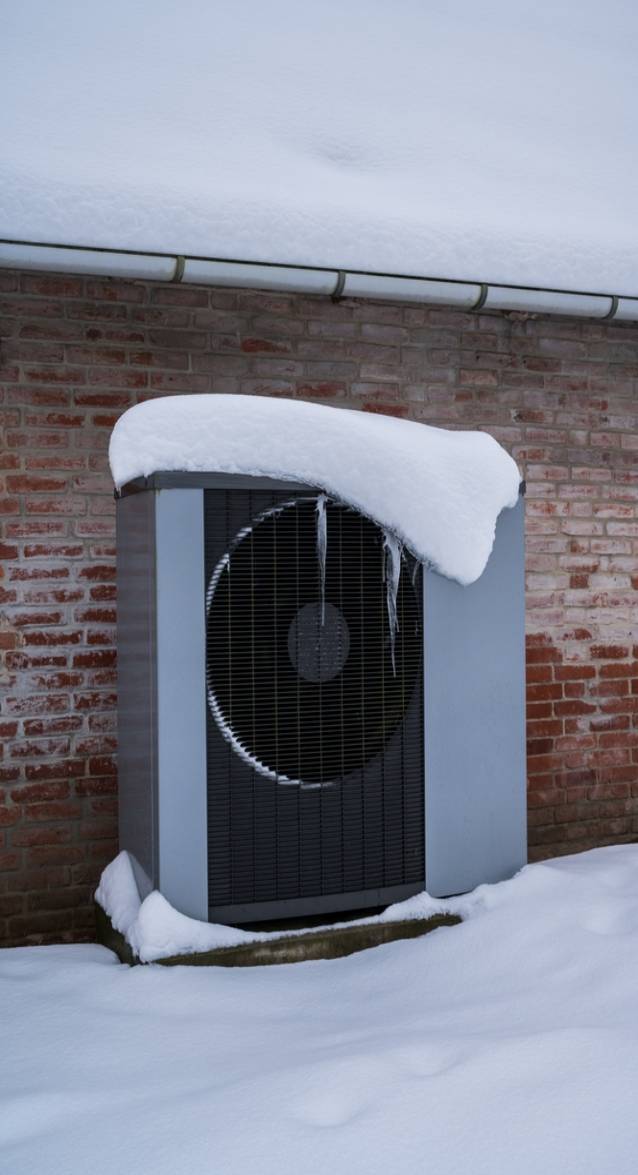
How to Extend Heat Pump Lifespan in Ottawa
Homeowners can take several steps to maximize the life of their system.
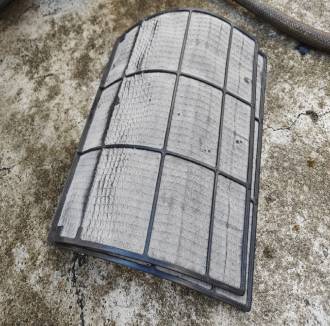
Replace Filters Regularly
Dirty filters restrict airflow and force the system to work harder. Many manufacturers recommend checking filters monthly and replacing them as needed.
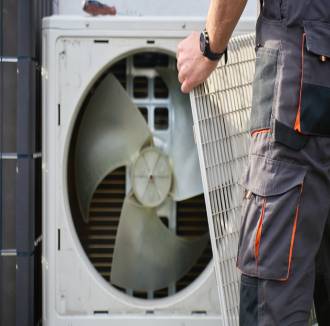
Schedule Annual Maintenance
Professional inspections help identify:
- Refrigerant issues
- Electrical concerns
- Coil contamination
- Airflow problems
before they become expensive repairs.
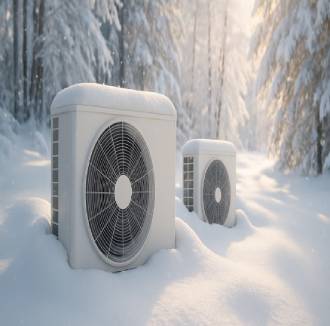
Keep Outdoor Units Clear
Ottawa winters can create snow and ice accumulation around outdoor units. Maintaining proper clearance improves airflow and reduces operating strain.
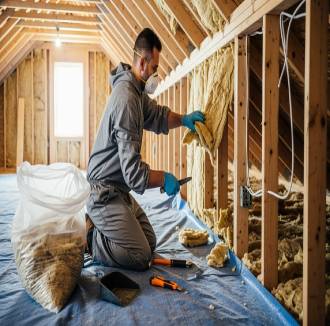
Upgrade Home Insulation
A well-insulated home reduces heating demand. Less workload on the heat pump means less wear over time.
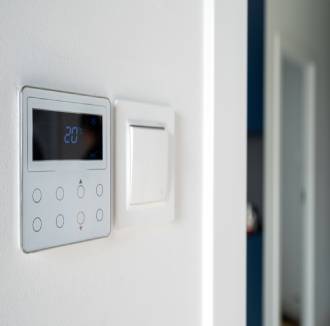
Use Smart Thermostats Correctly
Modern smart thermostats help maintain consistent temperatures and improve efficiency. Frequent large temperature adjustments can force systems to work harder than necessary.
Does a Heat Pump Last Longer Than a Furnace?
Many homeowners compare heat pump lifespan to furnace lifespan when evaluating replacement options.
| System | Typical Lifespan |
|---|---|
| Heat Pump | 15–25 years |
| Gas Furnace | 15–25 years |
| Air Conditioner | 12–20 years |
While furnaces may occasionally last longer, a heat pump provides both heating and cooling from a single system. For many Ottawa homeowners, the efficiency benefits and year-round comfort offset the fact that heat pumps operate more frequently than furnaces.
Does Maintenance Really Make a Difference?
Absolutely. Two identical heat pumps installed on the same day can have dramatically different lifespans.
A well-maintained system often experiences:
- Fewer breakdowns
- Better efficiency
- Lower operating costs
- Longer compressor life
- Improved indoor comfort
Neglected systems frequently suffer from:
- Restricted airflow
- Higher energy consumption
- Compressor strain
- Premature component failure
Routine maintenance remains one of the highest-return investments a homeowner can make.
When Should You Replace a Heat Pump?
Replacement may be worth considering when:
- The system is over 15 years old
- Repairs are becoming frequent
- Energy costs continue rising
- Comfort issues persist
- Major components fail
- Warranty coverage has expired
Homeowners upgrading from aging equipment often benefit from:
- Improved comfort
- Lower utility costs
- Better cold-weather performance
- Quieter operation
- Enhanced smart-home integration
Today's cold-climate heat pumps are significantly more efficient than many older models.
Is a Heat Pump Worth the Long-Term Investment?
For many Ottawa homeowners, the answer is yes.
Modern heat pumps provide:
- Heating and cooling from one system
- Improved energy efficiency
- Lower operating costs
- Consistent comfort
- Reduced environmental impact
When properly sized, professionally installed, and regularly maintained, a cold-climate heat pump can provide reliable service for 15 to 20 years or more.
Trust Reliable Home Environment for Heat Pump Installation & Maintenance
The lifespan of your heat pump begins with proper equipment selection and professional installation. Reliable Home Environment helps Ottawa homeowners choose cold-climate heat pumps designed for local conditions while providing expert installation, maintenance, and ongoing support.
Our team evaluates your home's heating requirements, comfort goals, insulation levels, and existing HVAC infrastructure to recommend the right solution for long-term performance.
Whether you're considering a new heat pump, replacing an aging system, or looking to maximize the lifespan of your current equipment, professional guidance can help you get the most value from your investment.
Related Resources
- Heat Pumps Ottawa
- Heat Pump Cost Ottawa
- Heat Pump Installation Ottawa
- Heat Pump Maintenance Guide
- Ducted Heat Pumps
- Ductless Heat Pumps
- Hybrid Heat Pumps
- Furnace vs Heat Pump
- Cold Climate Heat Pumps for Ottawa Homes
- Heat Pump Rebates Ottawa
Need expert advice about heat pump longevity, maintenance, or replacement? Contact Reliable Home Environment for a professional assessment and personalized recommendations for your Ottawa home.