
Solutions For Comfort: Gas Furnaces
In Ottawa, Staying Warm During The Winter Months Just Got Easier
Furnace buyers guide: Furnaces in Ottawa can mean the difference between comfort and cold. It’s not an exaggeration to say that owning a great furnace can greatly impact your life, especially in this city.
This city is notorious for its fluctuating temperatures: one day, it’s -10C, and the next, it’s -40C. That fluctuation puts plenty of pressure on your gas furnace—Ottawa is a city that demands quality furnaces.
Which is why you need Reliable Home Environment on your side. Not only do we offer high-quality furnace service, but we also sell and install the highest-quality gas furnaces in Ottawa.
About Reliable Homes Environment
At Reliable Home Environment, we specialize in gas furnace installations, repairs, and maintenance tailored to Ottawa’s unique climate. Our certified expertise ensures you get the most energy-efficient and reliable heating solution for your home.
Understanding how furnaces work
Furnaces heat air using fuel (gas, oil, or electricity). A burner heats a heat exchanger, warming the air blown over it. This warm air is distributed through ducts by a blower fan. Combustion gases are vented outside. The system cycles on and off to maintain the desired temperature.
Major factors to consider when choosing a furnace
Selecting the right furnace for your Ottawa home involves more than just picking the first unit you find. To ensure long-lasting comfort and energy efficiency, consider the following key factors carefully:
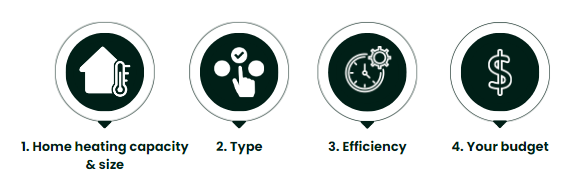
Home Heating Capacity & Proper Sizing
The heating capacity of a furnace must match your home’s size and heating requirements to maintain a comfortable indoor temperature throughout Ottawa’s cold winters.
- Correct Sizing: A furnace that is too small will struggle to adequately heat your home, leaving rooms cold and forcing the system to run at maximum capacity constantly. This increases wear and reduces lifespan.
Conversely, an oversized furnace will cycle on and off too frequently, wasting energy, causing uneven temperatures, and increasing utility bills. - Professional Load Calculation: To determine the proper size, HVAC professionals perform a detailed heat load calculation considering your home’s square footage, insulation quality, window types, ceiling height, and air leakage.
Furnace Types & How They Work
Understanding the different furnace types helps you select a system aligned with your fuel availability, budget, and performance needs.
- Gas Furnace: Uses natural gas combustion to generate heat, distributing warm air via ductwork. This is the most common and cost-effective choice for Ottawa homes, thanks to the availability and affordability of natural gas. Think of it as a large, reliable stove that heats your entire home efficiently.
- Electric Furnace: Heats air using electric heating elements, similar to a large electric heater plugged into your home’s electrical system. Electric furnaces are clean and easy to install, but may have higher operating costs due to electricity prices and are typically used where natural gas is unavailable.
- Oil Furnace: Burns oil to produce heat and is less common but still used in some Ottawa homes. Like an oil lamp that produces light, an oil furnace uses fuel to generate warmth, requiring regular oil delivery and maintenance.
Efficiency Ratings & Performance Metrics
Modern furnaces come with various efficiency ratings and performance indicators that help you compare models and predict energy costs.
- Coefficient of Performance (COP): COP measures the heating output in relation to the energy input. For example, a COP above 9 at -17ºC is considered excellent, meaning the furnace produces nine units of heat for every unit of energy used. While typically used for heat pumps, understanding COP helps in evaluating energy efficiency.
- Heating Season Performance Factor (HSPF): This indicates the seasonal heating efficiency, typically relevant for heat pumps but also helpful in comparing heating systems overall.
- Seasonal Energy Efficiency Ratio (SEER): SEER measures cooling efficiency, but furnaces integrated into HVAC systems with air conditioning can benefit from knowing this rating.
- Annual Fuel Utilization Efficiency (AFUE): (Add this important metric here if applicable) This percentage indicates how efficiently a furnace converts fuel to heat — higher AFUE means lower fuel costs.
Your Budget & Total Cost of Ownership
The price of a furnace depends on its type, size, efficiency rating, brand, and complexity of installation. Consider not only the initial purchase price but also:
- Installation costs, including ductwork modifications or upgrades.
- Long-term energy savings are influenced by furnace efficiency.
- Available rebates and incentives that can offset the upfront investment.
- Maintenance and repair costs over the furnace’s lifespan.
Investing in a high-efficiency furnace may have a higher initial cost but will often pay off with lower energy bills and improved comfort. By carefully considering fuel type, furnace size, efficiency ratings, and your budget, you can select the furnace best suited for your home and Ottawa’s demanding climate.
For expert advice & professional installation services tailored to Ottawa homes, trust Reliable Home Environment—contact us today!
What Our Ottawa Customers Say
“Reliable Home installed my gas furnace last winter, and I noticed immediate savings on heating. Professional and timely service — highly recommended!”
– Sarah T., Ottawa
“Thanks to Reliable Home, our old furnace was replaced quickly with an Energy Star unit. Our home stays warm without the high energy bills.”
– Mark D., Ottawa
Why Choose Reliable Home Environment?
- Expert Technicians: Fully licensed and experienced HVAC professionals specializing in Ottawa’s climate.
- Energy-Efficient Solutions: We offer only high-quality, Energy Star-certified furnaces that save you money.
- Transparent Pricing & Fast Service: No hidden fees, quick response, and 24/7 emergency support.
- Rebate Assistance: We help you claim available government rebates to reduce your upfront costs.
Frequently Asked Questions About Furnaces
Q1: How do I determine the correct size furnace for my home?
A licensed HVAC technician performs a thorough heat load calculation, considering your home's size, insulation, and design, to recommend a furnace that perfectly fits your needs.
Q2: What is the average lifespan of a furnace?
Modern furnaces typically last between 15 and 20 years when regularly maintained by professionals.
Q3: Are Energy Star furnaces worth the extra cost?
Yes. Energy Star-certified furnaces consume less fuel, reduce your energy bills, and often qualify for government rebates that can offset the initial expense.
Q4: How often should I service my furnace?
Annual inspections and maintenance tune-ups are recommended to keep your furnace running efficiently and safely for years to come.